Uncover the Beauty: a Deep Dive Into Royal Collection Jewelry
Regal jewelry holds a special position in our cultural history, representing power and prestige throughout generations. Each piece, from brooches to crowns, conveys a narrative of cultural significance and artistry. The level of craftsmanship is truly remarkable, showcasing techniques handed down over centuries. As one delves into these remarkable artifacts, questions arise about their impact on modern fashion and the continuous endeavors to safeguard their heritage. What secrets might these elegant artifacts reveal?
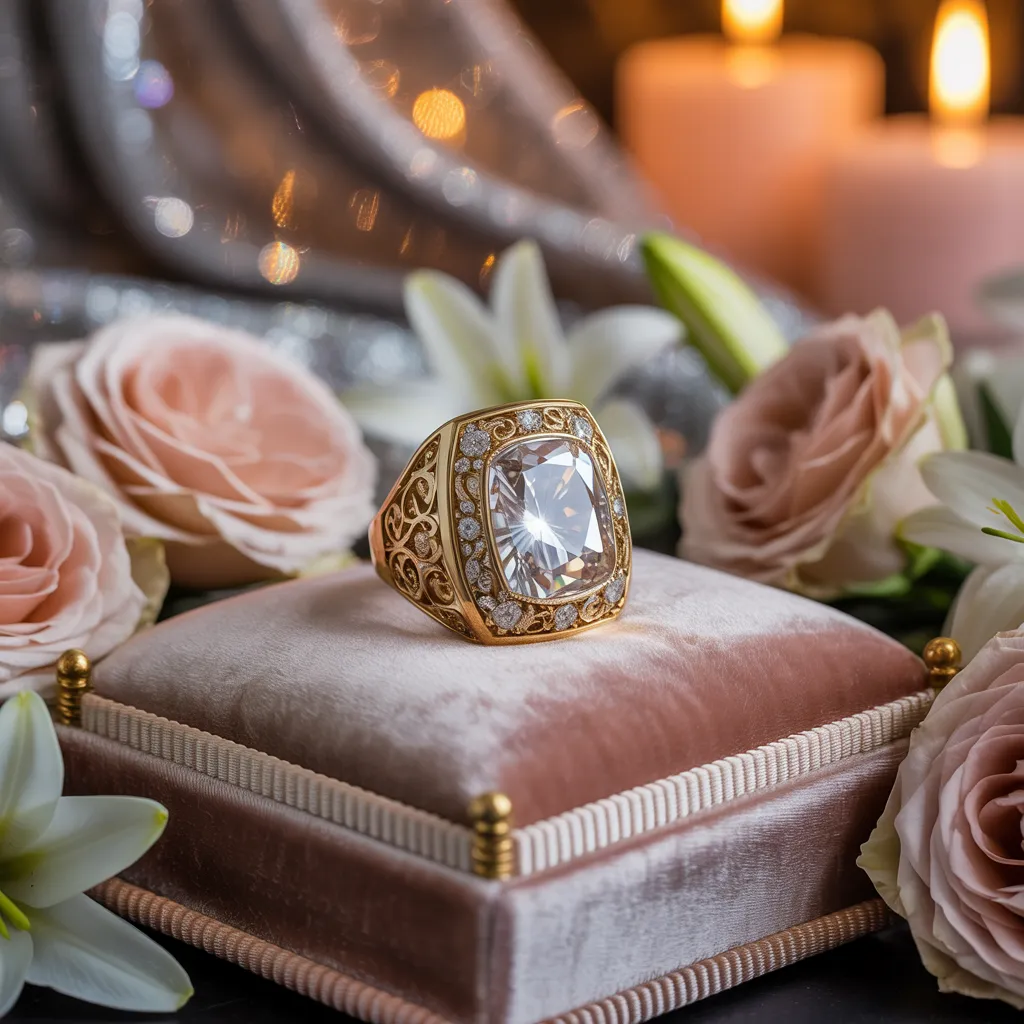
The Significance of Royal Jewelry Throughout History
Throughout history, monarchical jewelry has acted as a significant symbol of authority and status, showcasing the resources and power of monarchies. These exquisite pieces were commonly fashioned from the most premium materials, including gold, silver, and rare stones, highlighting the craftsmanship of jewelers and the power of the royal house. Monarchical pieces not only adorned the elite but also expressed authority, legitimacy, and lineage. Crowns, tiaras, and necklaces commonly displayed elaborate patterns which embodied a nation's cultural identity, while also acting as political offerings to cement international relationships. The value of these artifacts went far beyond decoration; they were fundamental elements in royal events, crowning ceremonies, and official occasions, representing enduring power and consistent rule. As keepers of historical legacy, regal pieces connects the past with the present, embodying the hopes and victories of ruling houses over time, rendering them priceless historical treasures.
Iconic Pieces From the Royal Collection
The Royal Collection stands as home to some of the most iconic works of jewelry in the annals of history, including the legendary Crown Jewels. These treasures not only showcase exquisite craftsmanship but also encapsulate important historical accounts. Notable royal wearers have further enriched their historical legacy, rendering them symbols of heritage and power.
Crown Jewels Introduction
The Crown Jewels represent the rich history and enduring tradition of the British monarchy, showcasing a collection of exquisite pieces that embody centuries of artistry and importance. Among the most recognized items are the Imperial State Crown, adorned with nearly 3,000 diamonds, and the Sovereign's Sceptre, featuring the iconic Cullinan I diamond. The Coronation Spoon, a time-honored artifact, underscores the ritual importance of these treasures. Each piece serves a unique role during royal events, representing the authority and grandeur of the Crown. The collection is preserved within the Tower of London, drawing millions of tourists each year. As a whole, they represent a magnificent homage to the skill and traditions of British royalty, enthralling audiences worldwide.
Historical Significance Explained
Although numerous items in the Royal Collection speak to power and legacy, a few iconic items stand out for their profound historical significance. The Imperial State Crown, embellished with the Cullinan II diamond, represents the authority of the British monarchy and has been a fixture at the State Opening of Parliament since 1837. A further remarkable item is the Cambridge Lover's Knot Tiara, which is connected to Queen Mary and Princess Diana, reflecting the lasting bonds and familial relationships within the monarchy. Moreover, the Koh-i-Noor diamond, formerly an emblem of imperial expansion, illustrates the multifaceted connections among history, power, and cultural significance. These iconic pieces not only showcase exquisite craftsmanship but also encapsulate pivotal moments in the monarchy's storied past.
Prominent Royal Personalities
Countless royal figures have worn distinguished pieces from the Royal Collection, each adding their own chapter to the narrative of these magnificent jewels. Queen Elizabeth II frequently wore the dazzling Burmese Ruby Tiara, a treasured gift from the people of Burma, embodying grace and resilience. Princess Diana made headlines with the spectacular sapphire engagement ring, which remains a symbol of her legacy. The Duchess of Cambridge, Kate Middleton, has been captivated by these pieces, particularly wearing the famous Cambridge Lover's Knot Tiara, historically made for Queen Mary. Every royal who wore these pieces not only highlighted the exquisite artistry but also wove personal narratives and cultural meaning into the timeless elegance of the Royal Collection, securing its permanent place in history.
The Mastery Behind Royal Collection Jewelry
The creative excellence of Royal Collection Jewelry demonstrates a profound passion for exceptional artistry that transcends mere adornment. Every item is carefully created by talented craftspeople who apply traditional methods, guaranteeing that all aspects are completed with care. From the selection of high-quality gemstones to the detailed metal craftsmanship, the creation process embodies a steadfast pursuit of perfection.
Craftsmen frequently find inspiration in historical patterns, blending tradition with modern aesthetics. This combination yields exceptional works that not only display extraordinary beauty but also convey a narrative. Practices like hand-setting, engraving, and filigree work are commonly applied, underscoring the painstaking effort invested in each creation.
The inclusion of ethically sourced stones and precious metals greatly adds to the worth of Royal Collection Jewelry, rendering it a hallmark of luxury and tradition. Ultimately, this passion for artisanship ensures that each piece remains timeless, treasured by generations to follow.
How Royal Jewelry Reflects Cultural Traditions
Regal jewelry functions as a reflection of cultural heritage, highlighting distinctive symbolism through its design motifs. Historical significance is apparent within the styles embraced by various regions, capturing the beliefs and stories of their respective societies. Furthermore, regional craftsmanship techniques play a role in shaping the defining features of each crafted piece, greatly enhancing the cultural story preserved within distinguished royal collections.
Symbolism In Design Motifs
Fine jewelry frequently acts as a significant vehicle for conveying cultural legacy and identity, particularly in regal collections. The artistic motifs in regal jewelry often represent meaningful cultural icons, demonstrating the values and beliefs of a society. For instance, motifs like the lotus blossom in Egyptian jewellery represent rebirth and purity, while Celtic knot patterns embody unity and eternity. Each element is meticulously chosen to communicate themes of protection, lineage, and power. Furthermore, the incorporation of color and materials commonly embodies regional traditions, such as the incorporation of gemstones believed to hold specific meanings. Therefore, regal jewelry not only serves as decoration but also as a storytelling medium, revealing the intricate fabric of cultural legacy and history through its elaborate craftsmanship.
Historical Influence On Styles
Despite being affected by numerous historical occurrences, royal jewelry often reflects the enduring cultural traditions of a society. Every item functions as a reflection of the principles, traditions, and practices that have defined its heritage. To illustrate, the intricate designs found in European crowns can reveal connections to ancient mythology, while Asian royal decorations often incorporate symbols of prosperity and harmony. The use of specific gemstones, such as sapphires and emeralds, frequently aligns with cultural significance—symbolizing wisdom or fertility, respectively. Furthermore, the techniques and design sensibilities evolve in response to sociopolitical changes, yet they consistently honor traditional motifs and techniques. Therefore, royal jewelry not only showcases aesthetic beauty but also encapsulates the intricate fabric of cultural heritage throughout history.
Area-Specific Craft Practices
Craftsmanship techniques in royal jewelry showcase unique cultural characteristics that reflect the artistic heritage of diverse civilizations. In India, delicate lacework patterns and vibrant gemstone settings display the country's rich heritage, often incorporating motifs inspired by nature and mythology. Correspondingly, in Europe, techniques such as cloisonné and champlevé enamel highlight the artistry of medieval craftsmanship, often adorned with heraldic symbols that denote lineage and status. African royal jewelry commonly utilizes beadwork and metal-smithing, employing natural materials to express spiritual significance and community identity. Each region's unique methods not only elevate the aesthetic appeal of royal pieces but also serve as a demonstration of the artistry and cultural narratives that have shaped their creation through generations.
Royal Jewelry's Influence on Modern Trends
As royal households worldwide keep presenting their extraordinary collections, the effect of royal adornments on current fashion trends becomes progressively clear. Jewelry designers regularly derive inspiration from the classic refinement and elaborate workmanship embodied in royal pieces, incorporating these characteristics into present-day fashion. Signature motifs, such as floral designs and geometric patterns, frequently appear in modern collections, reflecting the enduring allure of historical styles.
Additionally, the resurgence of timeless visual themes in jewelry can be connected to the royal collections that highlight luxurious gems and intricate metal craftsmanship. Online social networks enhance this reach, with well-known icons often seen emulating royal styles, increasingly spreading these trends among general audiences. As a result, buyers are consistently looking for creations that echo aristocratic splendor, leading to a fusion of historical artistry and present-day innovation in today's jewelry market. This intersection not only honors aristocratic try now legacy but also encourages future generations of craftspeople and connoisseurs alike.
Honoring the Heritage: Preservation Initiatives and Displays
Regal jewelry not only impacts current design trends but also necessitates considerable effort for conservation and display. Establishments entrusted with these precious items hire expert conservators who thoroughly examine the state of every piece. This involves cleaning, repairing, and ensuring the proper environmental factors—temperature, moisture levels, and lighting—to prevent deterioration.
Displays serve a vital function in showcasing these objects, enabling the visitors to understand their artistic and historical importance. Curators work together to create curated presentations that tell compelling stories, bringing together the histories of the jewelry's origins and their aristocratic owners.
Commonly Asked Questions
Who Commonly Develops Royal Collection Jewelry Works
Exquisite royal collection jewels are commonly created by distinguished jewelers and skilled artisans, regularly patronized by royal families. Such craftsmen concentrate on intricate craftsmanship, timeless heritage, and the use of precious materials to produce magnificent works.
How Do Experts Authenticate Royal Jewelry Pieces?
Authentic royal jewelry is verified through careful scrutiny by specialists, who evaluate workmanship, composition, and historical origins. Paperwork, such as purchase records and certificates, additionally validates the authenticity, confirming the items' credibility and regal heritage.
What Materials Are Typically Found in Royal Jewelry?
Traditional royal jewelry commonly includes precious metals like gold and platinum along with a stunning collection of gemstones such as sapphires, diamonds, rubies, and emeralds. These precious elements embody power, wealth, and the timeless heritage of royalty.
Can You Find Any Royal Jewelry Auctions?
Certainly, royal jewelry auctions take place on a regular basis, showcasing magnificent items from diverse royal collections. Such occasions draw both collectors and enthusiasts, offering a rare opportunity to acquire historically significant items rich in heritage and craftsmanship.
How Can the Public View Royal Jewelry Collections?
The public can view collections of royal jewelry through exhibitions organized by museums, special events, and open-house events at royal residences. A number of collections may additionally be exhibited during significant anniversaries or royal celebrations, granting greater accessibility to the public.
Closing Remarks
When examining the regal jewelry collection, visitors uncover a rich blend of artistry, history, and cultural meaning. Each jewel not only embodies influence and distinction but also reflects the remarkable artistry that has been passed down through the ages. With modern fashions constantly shifting, the lasting heritage of royal adornments stays impactful, bridging past and present. Via continued preservation initiatives and displays, these timeless treasures will captivate future generations, making certain that their narratives and grace are preserved.