Essential Guidelines for Looking After Your Watches for Men to Guarantee Durability
Caring for your watch is essential if you expect it to endure for years. Frequent cleaning and suitable storage can produce a considerable difference in its durability. Plus, knowing how to spot common issues can prevent expensive problems. But what are the most effective methods to ensure your timepiece maintains peak performance? Let's review some expert tips that every watch owner should take into account.
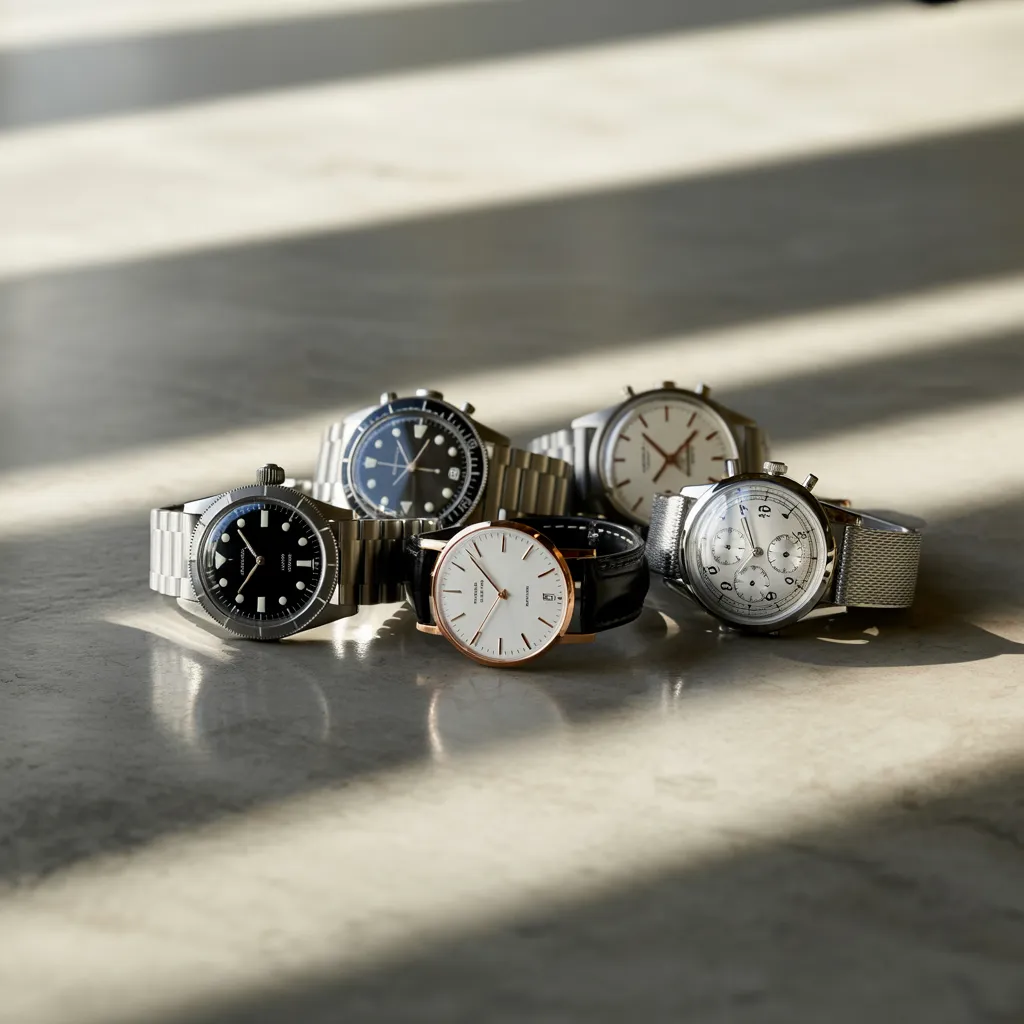
Expert Tips for Watch Cleaning
Maintaining your watch looking flawless requires consistent cleaning. Commence by gathering a soft, lint-free cloth and a soft brush, such as a toothbrush. First, gently polish the watch face to remove dirt and fingerprints. Next, dip the brush in warm, soapy water, ensuring the soap is mild. Carefully scrub the bracelet and case, focusing on crevices where dirt gathers. Rinse the watch under lukewarm water, avoiding the crown and any openings. Dry it thoroughly with the cloth, making sure no moisture remains. For leather straps, use a damp cloth and a leather conditioner to maintain softness. Regular cleaning not only improves your watch's appearance but also prolongs its lifespan, keeping it in top condition for years to come.
How to Keep Your Watches Stored Correctly
With regards to storing your watches, utilizing a quality watch box is crucial for preservation. You should also maintain them away from direct sunlight and preserve ideal humidity to prevent damage. By following these guidelines, you'll guarantee your watches remain in prime condition for years to come.
Employ Watch Storage Boxes
Even though you could be drawn to simply put your watches in a drawer, working with a watch box makes sure they remain safeguarded and organized. A high-quality watch box protects your timepieces protected from scrapes, dust, and unintentional damage. When picking out a box, look for one with soft, lined compartments that hold each watch individually. This prevents them from knocking against each other and decreases wear and tear.
Additionally, maintaining a designated spot for each watch makes it easier to find the one you need, conserving time and frustration. Remember to keep your watch box in a cool, dry location, away from humidity or extreme temperatures. By investing in a high-quality watch box, you'll ensure your collection continues to be in outstanding condition for years to come.
Avoid Direct Sunlight
Your watches can be damaged by direct sunlight, so it's vital to keep them protected from bright light sources. UV rays can cause fading of the dial, harm the movement, and deteriorate the materials over time. While your watches are not in use, house them in a dark and moisture-free space, for example a dedicated watch box or drawer. If you possess a display case, ensure it has a UV-protective glass cover. Don't place your watches near windows or areas with direct sunlight exposure. You should also consider using a soft cloth to cover them if you need to keep them on display. By protecting your watches from sunlight, you'll help keep their aesthetic appeal and function for years to come.
Maintain Prime Humidity
How do you make certain your watches remain in pristine condition? Sustaining perfect humidity is essential. Strive for a humidity level between 40-60%. Too much moisture can result in rust and damage the internal mechanisms, while too little can dry out lubricants. Buy a quality watch box with humidity control or silica gel packets to absorb excess moisture. When storing, avoid basements or attics where humidity levels fluctuate. Instead, select a consistently cool, stable environment like a closet. If you reside in a particularly humid area, consider using a dehumidifier. Consistently check the humidity levels to guarantee your watches stay protected. By following these guidelines, you're not just storing a watch; you're protecting a piece of craftsmanship for years to come.
Keeping Your Watch's Quality: Tips and Tricks
To maintain your watch in top shape, it's crucial to implement a few simple maintenance routines. Routinely clean your watch with a soft cloth to remove dust and fingerprints. Prevent exposing it to extreme temperatures, as this can impact its accuracy. If you have a mechanical watch, wind it regularly to keep the movement running smoothly. For water-resistant models, ensure the crown is fully pushed in or screwed down before exposure to water. Store your watch in a cool, dry place when not in use, ideally in a watch box or winder. Finally, consider professional servicing every few years to copyright its performance and aesthetics. These small steps will ensure your watch remains in top shape for years to come.
Typical Watch Troubles and Ways to Repair Them
Every watch owner faces common issues like battery replacements, water resistance failures, and strap damage. Understanding how to address these challenges can conserve your both time and money. We'll discuss some reliable approaches for preserving your watch in top shape.
Methods for Battery Replacement
If your watch begins losing time or stops completely, it's often a sign that the battery needs replacing. First, obtain the appropriate tools: tweezers, a case opener, and a compatible replacement battery for your watch. Carefully remove the case back using the opening tool, taking care not to scratch the surface. Once you've removed the back, locate the battery and use tweezers to lift it out gently. Insert the new battery, confirming it sits correctly in its housing. Before sealing the case, ensure the watch operates properly. Then, close the case back tightly. Always dispose of the depleted battery in an environmentally responsible manner. Regular battery replacements can prolong your watch's lifespan and keep it ticking accurately.
Water Resistance Complications
Watch owners face more than just battery issues; water resistance presents another frequent issue that can impact your timepiece. Even though your watch is labeled as water-resistant, it can lose its ability to keep moisture out over time. Check regularly the gaskets and seals, as these are your primary protection against water damage. If you notice condensation under the crystal, you must act right away. Dry it out by placing it in a warm, dry area, but avoid exposing it to direct heat. If the problem continues, contact a professional watchmaker for a comprehensive assessment and possible resealing. Remember, maintaining water resistance is key to your watch's lifespan and operation.
Ways to Repair Straps
Deteriorated or worn watch straps can greatly affect the comfort and style of your timepiece. If you detect fraying or cracks, consider simple repair techniques before replacing the entire strap. For leather straps, use a leather conditioner to revive flexibility and stop further damage. If you locate a small tear, you can apply a leather adhesive for a quick repair. For fabric straps, sewing a loose thread or using fabric glue can help. Metal straps may necessitate tightening loose links or replacing a broken clasp. Always clean your straps consistently to preserve their condition. If repairs don't suffice, investing in a new strap can revitalize your watch while ensuring it remains elegant and wearable.
The Importance of Professional Servicing
Although routine maintenance is essential for keeping your watch in optimal condition, professional servicing takes it a step further. These specialist check-ups ensure that every component, from the movement to the casing, functions correctly. Watchmakers can identify potential issues that you might not notice, such as subtle wear or lubrication demands. By investing in professional servicing, you're not just protecting aesthetics; you're enhancing accuracy and prolonging the lifespan of your timepiece. Usually, it's recommended to have your watch serviced every three to five years, depending on the model and usage. This proactive approach keeps your watch running flawlessly and can save you from costly repairs down the line. Don't ignore this critical step if you want your watch to last a lifetime.
Tips for Protecting Your Watch From Damage
Safeguarding your watch from damage is essential to keeping its elegance and functionality. Start by placing your watch in a dedicated box or pouch when you're not wearing it, maintaining it away from moisture and dust. Don't donning it during high-impact activities; a single impact can cause costly repairs. Frequently inspect the watch for scratches on the crystal and case, and consider using a protective film or case to minimize wear. Be mindful of extreme temperatures, which can affect accuracy. Finally, keep your watch away from chemicals found in household cleaners and personal care products, as they can damage the materials. By following these tips, you can guarantee your watch remains in outstanding condition for years to come.
Current Trends in Watch Care
As timepiece aficionados continue to focus more on care and maintenance, modern patterns reveal a change towards greater personalization and tech-oriented solutions. You might notice an increasing number of watch brands offering bespoke care kits, adapted to match your watch type and lifestyle. Smartwatches are also leading the charge, embedding apps that prompt you to service your timepiece or verify battery life.
Moreover, there's a rising emphasis on environmentally friendly practices, with brands employing eco-friendly materials for watch care products. You may also come across community-driven forums where like-minded watch lovers share tips and experiences, enriching your knowledge.
Lastly, specialist cleaning services have become more accessible, guaranteeing your watch stays in immaculate condition without the hassle. Implementing these trends can assist you in maintaining your collection's longevity and value.
Frequently Asked Questions
How Often Should I Wind My Automatic Watch?
It's recommended to wind your automatic watch each day if you wear it consistently. If you don't wear it for a couple of days, giving it a manual wind can help keep it running smoothly.
Is My Watch Safe to Wear During Swimming?
You can wear your watch while swimming, though this depends on its water resistance rating. Be sure to check the specifications first to ensure it's safe for underwater activities and prevent exposure to extreme conditions.
What Are the Best Materials for Watch Straps?
Top-quality watch strap materials include leather, metal, silicone, and fabric. Leather provides elegance, metal delivers durability, silicone is great for water activities, and fabric delivers comfort. Opt for one that fits your style and needs!
In What Ways Do Temperature Shifts Affect My Watch?
Temperature changes can affect your watch's functionality and accuracy. Excessive heat may deteriorate internal components, while very low temperatures can cause the lubrication to get thicker. Maintaining your watch within a moderate temperature Mens Luxury Watches range helps preserve its performance.
Is a Hairdryer Safe for Cleaning Purposes?
Using a hairdryer to clean your watch is not safe. Heat can compromise delicate internal parts and seals. Consider using a soft cloth or a watch-specific cleaning solution instead.