Synthetic Diamond Rings: A Beautiful Option for Unique Engagements
Lab-grown diamond rings are becoming increasingly popular as an attractive option for engagements. The manufacturing process utilizes advanced technologies that produce diamonds indistinguishable from their mined counterparts. These rings not only offer aesthetic appeal but also align with ethical values. As couples search for special approaches to express their love, the variety of styles and colors are increasing. What makes these rings even more intriguing is their affordability when measured against traditional diamonds.
The Science Behind Lab-Created Diamonds
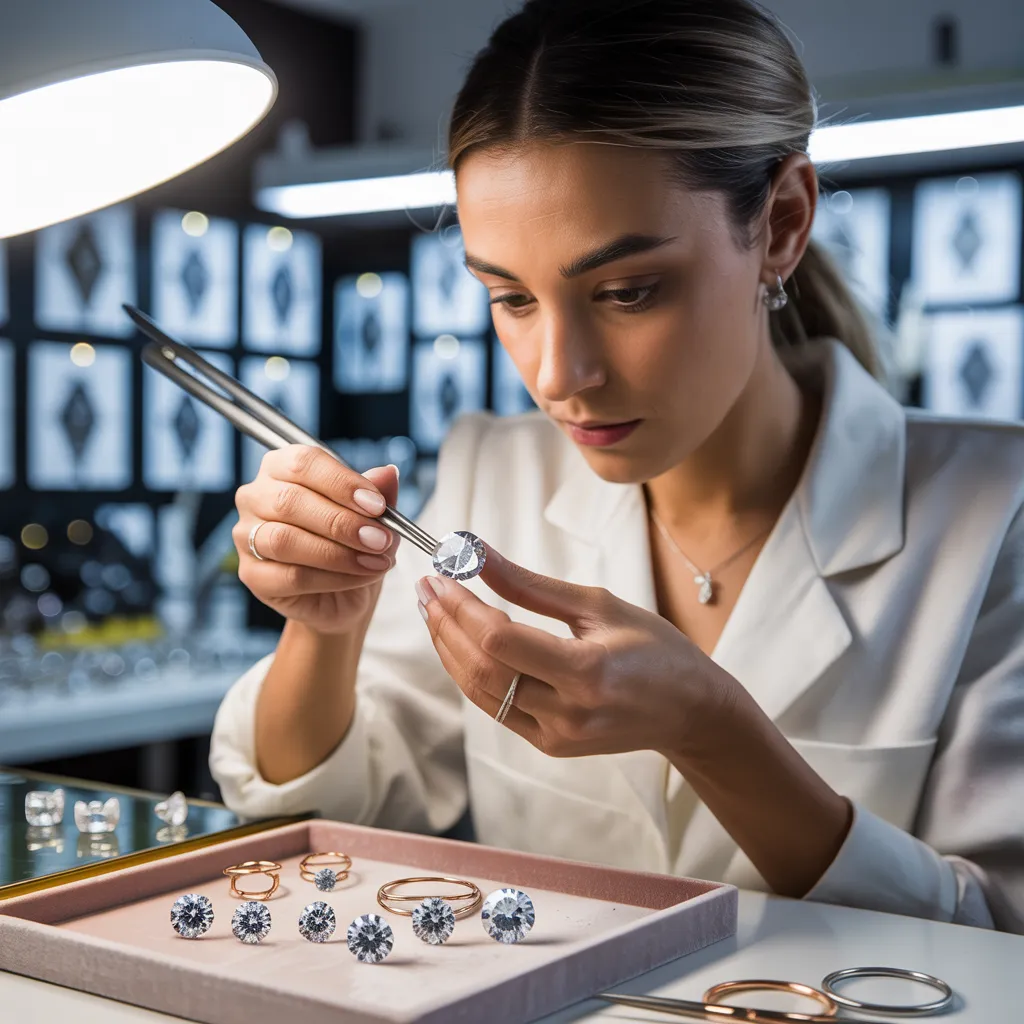
Even though synthetic diamonds may seem identical to their natural counterparts, the science behind their creation discloses distinct processes that set them apart. Synthetic diamonds are primarily manufactured through two methods: High Pressure High Temperature (HPHT) and Chemical Vapor Deposition (CVD). The HPHT process mimics the natural conditions under which diamonds form deep within the Earth, employing extreme pressure and temperature to crystallize carbon. In contrast, CVD encompasses vaporizing a carbon-rich gas, permitting the carbon atoms to deposit onto a substrate and grow into diamond crystals. Both methods generate diamonds with the same physical and chemical properties as mined diamonds, yet the controlled environments of their creation provide synthetic diamonds unique characteristics. This scientific foundation underscores the innovation driving the synthetic diamond industry.
Advantages of Picking Synthetic Diamonds Over Mined Alternatives
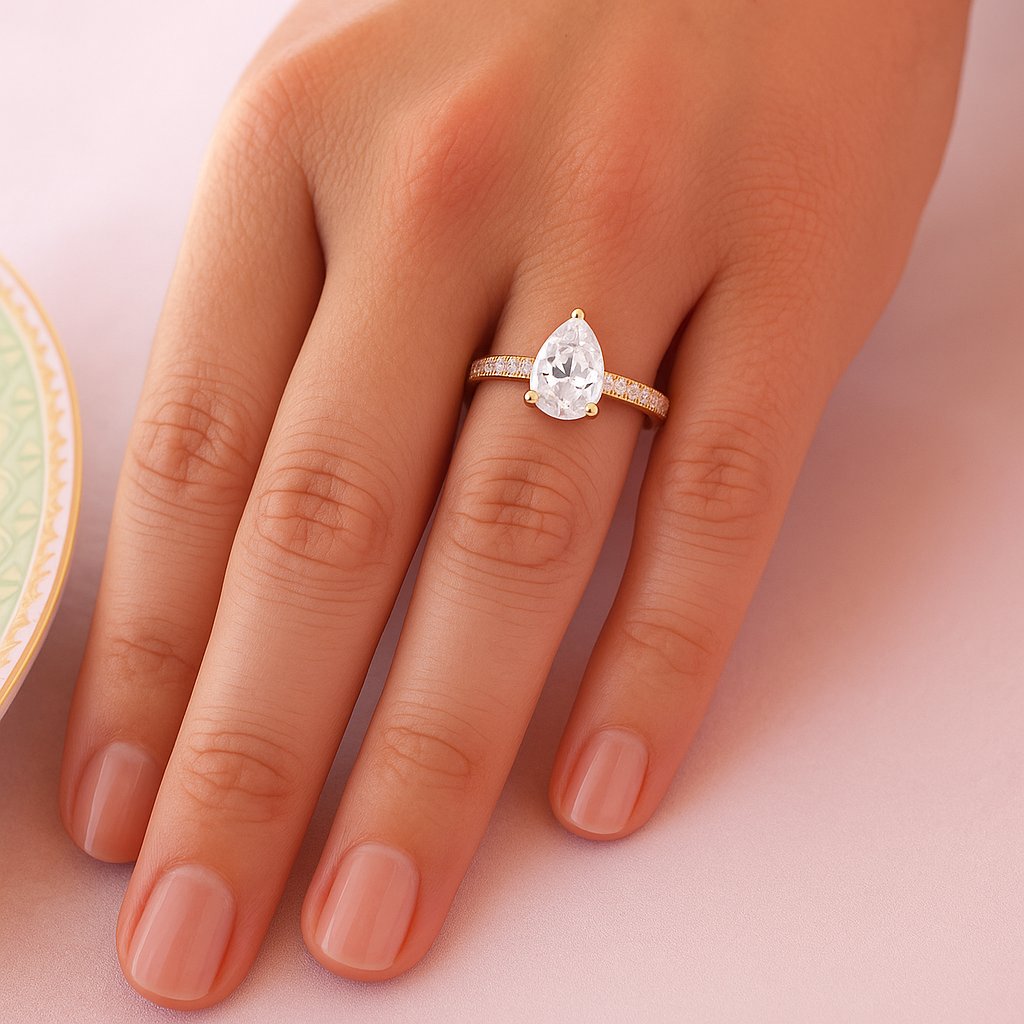
Synthetic diamonds offer numerous advantages over their mined counterparts, making them an appealing choice for engagement rings. To begin with, they are generally more cost-effective, allowing couples to make the most of their budget without sacrificing on quality. Moreover, synthetic diamonds are created in regulated conditions, guaranteeing ethical sourcing and reducing the environmental impact associated with mining. This aspect resonates with environmentally conscious consumers. Furthermore, synthetic diamonds possess the same physical, chemical, and optical properties as natural diamonds, offering the same brilliance and durability. The ability to tailor size, shape, and color increases their uniqueness, catering to individual preferences. All things considered, the combination of ethical considerations, affordability, and customization options places synthetic diamonds as a compelling alternative in the world of engagement rings.
Examining Different Styles and Settings
When examining synthetic diamond rings for engagements, numerous styles and settings are crucial for personalizing the choice. From classic solitaires to elaborate halo designs, each style provides distinct characteristics that cater to different tastes. Additionally, distinctive setting options can enhance the diamond's brilliance and craft a one-of-a-kind piece.
Sought-After Ring Options
Engagement rings come in a range of captivating styles and settings, every one reflecting distinct tastes and personalities. Among the most popular styles are solitaire rings, which display a single synthetic diamond, accentuating its brilliance. Halo settings frame the central stone with smaller diamonds, amplifying its sparkle and creating a stunning appearance. Three-stone rings signify the past, present, and future, often featuring a larger center diamond flanked by two smaller stones. Vintage-inspired designs honor classic aesthetics, incorporating detailed details and filigree work. Furthermore, modern styles may include geometric shapes and asymmetrical settings, drawing those seeking contemporary flair. In the end, these varied ring styles accommodate diverse preferences, making the selection process a individualized and meaningful experience.
Custom Setup Selections
While many may gravitate towards traditional settings, a wealth of unique options awaits for those seeking to express individuality in their engagement rings. Distinctive styles, such as asymmetrical designs and vintage-inspired settings, offer a revitalizing departure from the norm. Halo settings can intensify the brilliance of synthetic diamonds, while tension settings create a current, minimalist aesthetic. Art Deco and nature-inspired motifs bring distinctive character, appealing to those with individual tastes. Moreover, alternative materials like rose gold or mixed metals can further personalize the ring. Eventually, these unique setting options empower couples to craft a piece that not only represents their love but also expresses their personal personalities and shared journey.
Available Colors: Moving Past the Classic Clear Diamond
In terms of synthetic diamond rings, color options extend significantly beyond the traditional clear diamond. Vivid fancy color diamonds, gentle pastel hues, and stunning black diamonds suit different tastes and preferences, permitting individuals to express their unique style. This diversity not only amplifies the visual appeal but also adds a personal touch to engagement rings.
Radiant Luxurious Color Diamonds
As couples continually search for unique expressions of love, brilliant fancy color diamonds have emerged as a stunning alternative to classic clear diamonds. These alluring gemstones are found in a range of hues, including rich blues, sumptuous pinks, and vivid yellows, enabling couples to pick a stone that harmonizes with their individual taste. Each color features its own charm, often symbolizing different emotions and traits—such as blue for tranquility and pink for love. The rarity of these diamonds amplifies their allure, making them a remarkable choice for engagement rings. With developments in synthetic diamond technology, these radiant options are examine this material now increasingly available, enabling couples to convey their personal identity and commitment through a truly one-of-a-kind piece.
Pastel Hues for Romance
Pastel shades have enchanted of couples seeking a gentler, more romantic option to traditional clear diamonds. These subtle shades, including pale pink, soft lavender, and icy blue, create a sense of enchantment and elegance, making them perfect for unique engagement rings. Lab-grown diamonds in pastel colors offer sparkle and strength while allowing couples to showcase their individuality. The gentleness of these tones enhances various metal settings, elevating the overall look of the ring. Pastel diamonds are not only visually enchanting but also embody love and gentleness, making them ideal for expressing deep emotions. As couples seek unique choices, pastel-colored synthetic diamonds continue to gain popularity, setting new trends in the realm of engagement jewelry.
Boldness Through Black Diamonds
Black diamonds have surfaced as a remarkable choice for couples who wish to make a bold statement with their engagement rings. In contrast to traditional white diamonds, black diamonds radiate an air of mystery and sophistication, appealing to those who seek individuality. Their unique color, a result of specific crystal structures and impurities, creates a dramatic contrast against precious metals, elevating their allure.
Commonly connected with fortitude and endurance, black diamonds symbolize a love that is deep and steadfast. They are adaptable, matching a diverse selection of styles, from vintage to modern designs. As couples welcome unique elements in their engagements, black diamonds stand out as a captivating option, ideal for those who desire to express their personal love story.
Taking Care of Your Lab-Grown Diamond Ring
Appropriate maintenance is crucial for keeping the radiance and longevity of a synthetic diamond ring. Routine cleaning is recommended, utilizing a gentle solution of warm water and mild soap. A soft cloth or a toothbrush with soft bristles can help remove debris without marking the surface. It is important to steer clear of harsh chemicals and abrasive materials, which may harm the ring's finish. Moreover, keeping the ring in a separate compartment within a jewelry box can avoid scratches from other pieces. Routine professional inspections can uncover any weakened settings or potential issues. By following these simple care guidelines, wearers can ensure their synthetic diamond ring remains as magnificent as the day it was purchased.
Pricing Analysis: Lab-Grown Diamonds vs. Natural Diamonds
Caring for a synthetic diamond ring not only improves its look but also showcases its value when measured against mined diamonds. The financial distinction between these two categories of diamonds is significant; synthetic diamonds typically range from 30% to 50% cheaper than their mined counterparts. This cost benefit allows consumers to acquire larger or higher-quality stones without surpassing their budgets. Additionally, the production process of synthetic diamonds is more streamlined, leading to lower market prices. While mined diamonds often carry a premium due to their rarity and the associated mining processes, synthetic diamonds offer an sustainable and environmentally friendly alternative, providing consumers with a impressive option that does not sacrifice quality or appearance, yet is more financially accessible.
Real-Life Love Stories Featuring Synthetic Diamond Rings
As couples increasingly seek meaningful and sustainable selections for their engagements, many have turned to synthetic diamond rings, each with its own unique love story. For instance, Emma and Jake picked a lab-created diamond to express their commitment to environmental consciousness. Their engagement, set against the setting of a national park, demonstrated their shared passion for nature. Similarly, Mia and Alex honored their love with a stunning synthetic ring that fit their budget without reducing on elegance. Their story of overcoming financial obstacles resonated deeply with their friends and family. These couples demonstrate how synthetic diamond rings not only represent love but also embody values of sustainability and individuality, making each engagement truly special.
FAQ
Are Synthetic Diamonds Ethically Sourced and Environmentally Friendly?
Lab-grown diamonds are typically regarded as sustainable and ethically minded. The production method decreases ecological impact when compared with traditional mining, dealing with concerns about labor practices and environmental degradation linked to natural diamond extraction methods.
Synthetic vs. Mined Diamonds: How Do They Compare in Hardness?
Synthetic diamonds possess the same hardness as earth-extracted diamonds, both ranking 10 on the Mohs scale. This equivalence confirms that lab-grown diamonds remain equally durable and appropriate for various applications, including industrial applications and jewelry.
Are Synthetic Diamonds Be Resized Just Like Traditional Diamonds?
Yes, synthetic diamonds can be resized similarly to traditional diamonds. Jewelers generally treat them in the same way during the resizing process, guaranteeing that both types preserve their structural integrity and appearance while meeting the wearer's preferences for fit.
What Is the Lifespan of a Synthetic Diamond Ring?
Synthetic diamond rings are built to last a lifetime, frequently surpassing 100 years, if properly cared for. Its durability matches that of natural diamonds, creating it as an enduring symbol of devotion and affection.
Do Resale Values Differ Between Synthetic and Mined Diamonds?
Resale value differences between synthetic and mined diamonds occur, with synthetic diamonds generally having lower resale values due to higher production availability. Mined diamonds often maintain more value, driven by their organic rareness and acknowledged distinction.