The Rise of Synthetic Diamond Rings: Trending Styles and Designs for 2025
The advent of synthetic diamond rings is revolutionizing the jewelry landscape as 2025 nears. With a focus on individualization and sustainability, these lab-created gems offer consumers a exceptional blend of ethics and aesthetics. Designers are exploring innovative styles that marry classic charm with contemporary flair. As trends progress, the implications for both the market and consumer choices become progressively significant. What lies ahead for these synthetic gems in the world of fine jewelry?
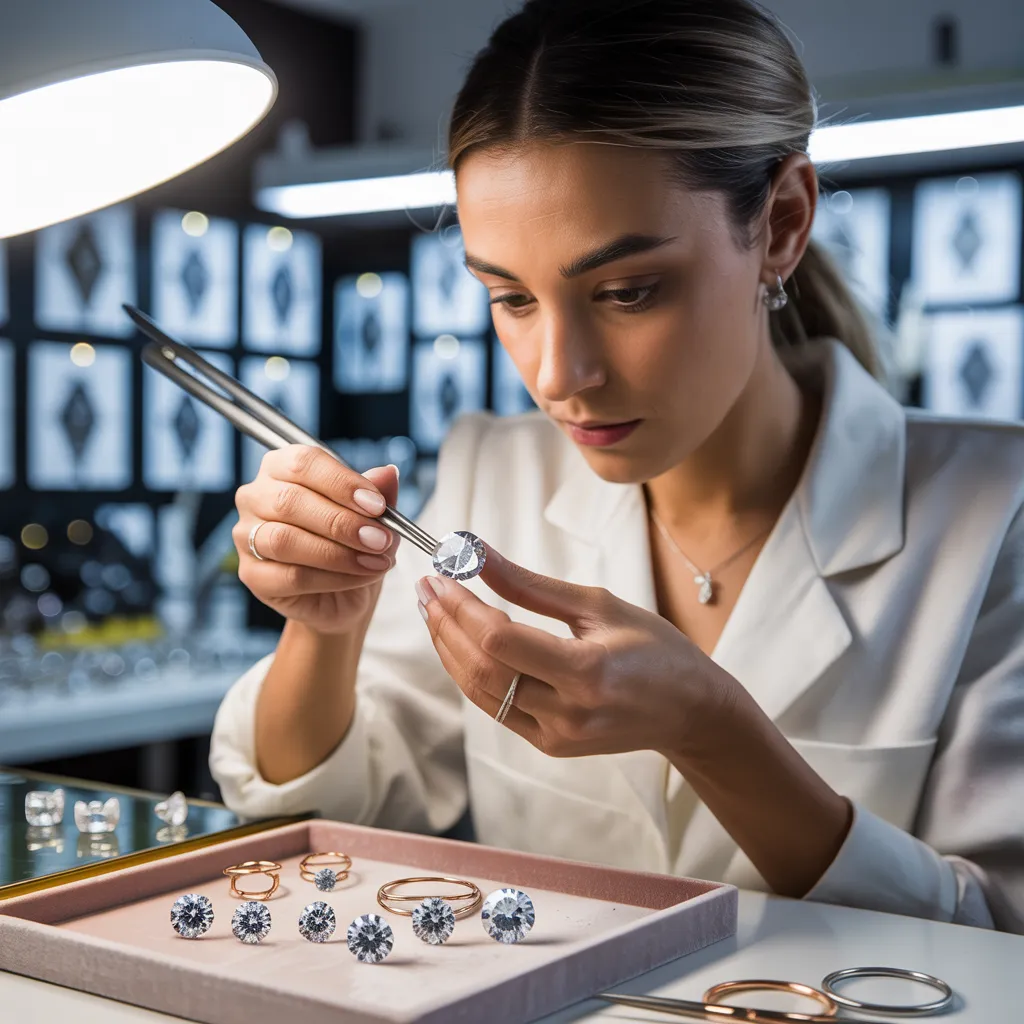
Comprehending Lab-Created Diamonds: The Science Powering the Sparkle
Although traditional diamonds have long been celebrated for their rarity and beauty, synthetic diamonds are swiftly gaining recognition for their scientific precision and ethical production. Produced through processes including High Pressure High Temperature (HPHT) or Chemical Vapor Deposition (CVD), these lab-grown stones replicate the natural conditions under which diamonds form. This enables the creation of gems with fewer impurities and improved clarity. Moreover, synthetic diamonds can be produced in diverse sizes and colors, allowing for customization and creativity in design. The read more controlled environment of their creation also guarantees consistent quality, making them attractive to both consumers and jewelers. As technology progresses, the allure of synthetic diamonds lies in their ability to offer the same aesthetic appeal as mined diamonds at often lower costs.

Ethical and Environmental Considerations
Moral and ecological aspects play a vital part in the rising popularity of synthetic diamond rings. As consumers develop greater awareness of the ecological and societal consequences of their purchases, synthetic diamonds present themselves as a responsible alternative to mined stones. Traditional diamond mining commonly causes environmental degradation, habitat destruction, and negative impacts on local communities. In contrast, synthetic diamonds are generated in controlled environments, significantly decreasing carbon footprints and eliminating concerns related to conflict diamonds. Furthermore, as technology advances, the production process becomes progressively streamlined, further boosting sustainability. This shift illustrates a broader trend in consumer behavior, where ethical sourcing and environmental stewardship are paramount, positioning synthetic diamonds as an appealing choice for the modern, environmentally informed consumer.
Sought-After Types of Laboratory-Grown Diamond Rings
With synthetic diamond rings becoming increasingly popular, several styles are emerging as favorites among consumers. Timeless solitaires are being transformed with modern settings and designs, while one-of-a-kind vintage-inspired rings reflect the allure of earlier times. These patterns demonstrate a combination of enduring beauty and modern artistry, catering to varied aesthetic preferences.
Iconic Solitaires Revitalized
Traditional solitaire rings are undergoing a modern transformation, combining timeless elegance with innovative design elements that appeal to contemporary tastes. The advent of synthetic diamonds has enabled more creative interpretations of this traditional style, often displaying unique band materials such as rose gold or platinum. Refined settings, including intricate pavé accents or geometric shapes, enhance the classic look while preserving its simplicity. Additionally, larger carat weights are becoming increasingly popular, delivering bold statements without abandoning ethical considerations. Customization options are broadening as well, with couples seeking personal touches that reflect their individual stories. This evolution of classic solitaires not only honors the past but also welcomes the future, making them a popular choice for modern engagements.
Unique Classic-Inspired Collections
The attraction of vintage-inspired designs is enchanting a new generation of couples searching for unique engagement rings. These styles, reminiscent of eras such as Art Deco or Victorian, blend intricate details with the brilliance of synthetic diamonds. Popular features include ornate filigree, milgrain edges, and unique stone settings that create nostalgia while providing modern durability. Couples are more and more drawn to the romanticism of antique aesthetics, often opting for rings that convey a history or reflect personal heritage. With the ability to customize synthetic diamonds, jewelers can craft bespoke pieces that correspond to individual tastes while keeping ethical standards. As the trend keeps growing, vintage-inspired designs are positioned to dominate the engagement ring market in 2025 and beyond.
Palette Trends: Navigating the Spectrum
Which hues will take center stage in the world of synthetic diamond rings in 2025? The spectrum of colors is widening, with vibrant hues growing in popularity. Deep blues and rich greens are anticipated to captivate couples, showcasing individual personal styles. Soft pastels, including blush pinks and light lavenders, will also make a considerable presence, appealing to those who prefer subtlety. Additionally, warm tones like golden yellows and fiery oranges will arise, offering a bold alternative to traditional clear diamonds. As consumers search for individuality, colorless options will still keep their place, but they will increasingly share the platform with these striking shades. This shift reflects a wider trend toward personalization and self-expression in the jewelry market.
Pioneering Trends: One-of-a-Kind Ring Designs
As partners progressively look to showcase their unique identity, distinctive ring styles are poised to become the focal point in the synthetic diamond market for 2025. Prepare to witness a surge in non-traditional arrangements that defy traditional norms. Mathematical contours, irregular layouts, and combined metal selections are gaining popularity, enabling individuals to display their unique aesthetic. Vintage-inspired designs are also making a comeback, fusing historical allure with present-day visual appeal. Tailored alternatives will prosper, facilitating duos to collectively build their pieces, integrating distinctive features through carvings or picking precise crystal arrangements. Furthermore, environmentally-motivated elements, such as garden or biological contours, will resonate with those seeking a connection to the environment. Ultimately, 2025 offers a collection of creative and unique styles that serve different aesthetic sensibilities.
Creating a Budget for a Synthetic Diamond Engagement Ring
When thinking about a synthetic diamond engagement ring, comprehending the price differences between natural and lab-created diamonds is crucial. Couples should carefully set their budget to align with their financial standing and preferences. In addition, exploring available financing options can offer flexibility in managing the costs associated with this substantial purchase.
Comprehending Pricing Variations
While the allure of synthetic diamond engagement rings has grown in recent years, understanding the price differences is essential for anyone budgeting for such a purchase. Synthetic diamonds typically cost 20-40% less than their natural counterparts, making them an enticing option for budget-conscious consumers. Factors affecting these price differences include the quality of the diamond, such as carat weight, cut, color, and clarity. In addition, the manufacturing process of synthetic diamonds can be more efficient, resulting in lower production costs. However, consumers should also evaluate the retailer's mark-up and the potential for resale value, which tends to be lower for synthetic diamonds. An informed approach helps verify that individuals make a financially sound decision in line with their personal values.
Creating Your Budget
Creating a budget for a synthetic diamond engagement ring is vital for securing a fulfilling purchase experience. Couples should first determine their overall spending limit, considering personal finances and future goals. Synthetic diamonds typically provide a more cost-effective alternative to natural diamonds, enabling for larger carat sizes or higher quality options within a similar price range. It is wise to account for additional costs such as the setting, appraisal, and insurance. Investigating market trends and comparing prices can help establish reasonable expectations and minimize overspending. Couples may also evaluate the significance of the purchase, prioritizing elements that matter most to them, whether it be the diamond's quality, size, or the design of the ring itself, to create a significant and budget-friendly choice.
Financing Choices Available
Examining financing options can considerably increase the purchasing power for couples searching for a synthetic diamond engagement ring. Multiple financing solutions are available, including credit cards with promotional interest rates, personal loans, and retailer financing programs. Couples can benefit from zero-interest installment plans that allow them to spread payments over several months or even years. Furthermore, some jewelers provide layaway options, permitting customers to reserve their chosen ring while making partial payments. Another alternative is to employ savings specifically allocated for the purchase, which can minimize debt accumulation. By thoroughly evaluating these financing alternatives, couples can discover a solution that aligns with their budget, ensuring they select a ring that represents their commitment without compromising their financial stability.
Synthetic Diamonds in Fine Jewelry: The Future Ahead
As the jewelry industry evolves, synthetic diamonds are ready to transform the landscape of fine jewelry in the years ahead. Rising consumer acceptance and advancements in technology are driving a shift towards these lab-created gems, which provide ethical and environmental benefits. As awareness increases, brands are expected to innovate, unveiling unique designs that cater to diverse tastes while maintaining price competitiveness. The demand for bespoke pieces featuring synthetic diamonds will likely grow, with consumers seeking sustainability and personalization in their purchases. Retailers may emphasize educating customers about the value and quality of synthetic diamonds, further cementing their place in the luxury market. Overall, synthetic diamonds are set to become a mainstay in fine jewelry, shaping trends for years to come.
Frequently Asked Questions
How Can Lab-Created Diamonds Compare to Natural Diamonds in Price?
Lab-created diamonds generally have reduced market value when compared to natural diamonds because of their synthetic origins. This price difference stems from factors such as rarity, consumer perception, and market demand, influencing purchasing decisions considerably.
Are Synthetic Diamonds to Be Resized or Repaired the Same Way as Natural Diamonds?
Synthetic diamonds can generally be resized and repaired similarly to natural diamonds. Jewelers commonly apply the same methods to both kinds of diamonds, confirming that synthetic stones keep their durability and aesthetic during the resizing work.
How Long Does a Synthetic Diamond Typically Last?
Man-made diamonds can endure for a lifetime, just like natural diamonds. Their wear resistance and lasting strength make certain they retain their sparkle and physical stability for generations, making them a enduring choice for jewelry.
Can Jewelers Detect Synthetic Diamonds?
Jewelers can frequently identify synthetic diamonds using specialized equipment that recognizes their distinctive characteristics. Experts can effectively distinguish between the two types due to slight differences in their formation, even though they are visually similar to natural diamonds.
How Do I Choose the Right Carat Weight for My Ring?
To pick the right carat weight for a ring, buyers should consider their personal style, hand size, and budget. Carefully balancing these factors ensures a harmonious look while meeting individual preferences for brilliance and presence in the design.