Tru-diamonds - The Facts
The same carat size can look bigger or smaller depending on the cut and setup. Look for brands that use superb value and cost.
They consist of: Cut: Just how well the diamond shows light. Carat Size: The weight of the diamond. The cut of a ruby affects just how much it glows.
You do not require to spend beyond your means to get a gorgeous diamond. Numerous lab-grown diamonds supply superb value contrasted to all-natural rubies. Choose a VS1 or VS2 clearness for a nearly flawless appearance without additional cost. Choose G-J shade qualities for a white appearance at a reduced cost. Compare diamond rings from different brands for the finest economical option.
Rumored Buzz on Tru-diamonds
Makes certain ruby high quality and credibility. Verifies the chemical composition matches an actual diamond. You can buy lab-grown diamonds either online or in a physical shop.
In-Store Shopping: See the diamond ring, jewelry, or necklace in individual. Get specialist support on diamond quality. Do you desire an one-of-a-kind engagement ring or a distinctive ruby bracelet?
Use funding planssome stores provide 0% passion if you pay in installments. Evaluations assist you discover concerning ruby quality, client service, and overall experience.
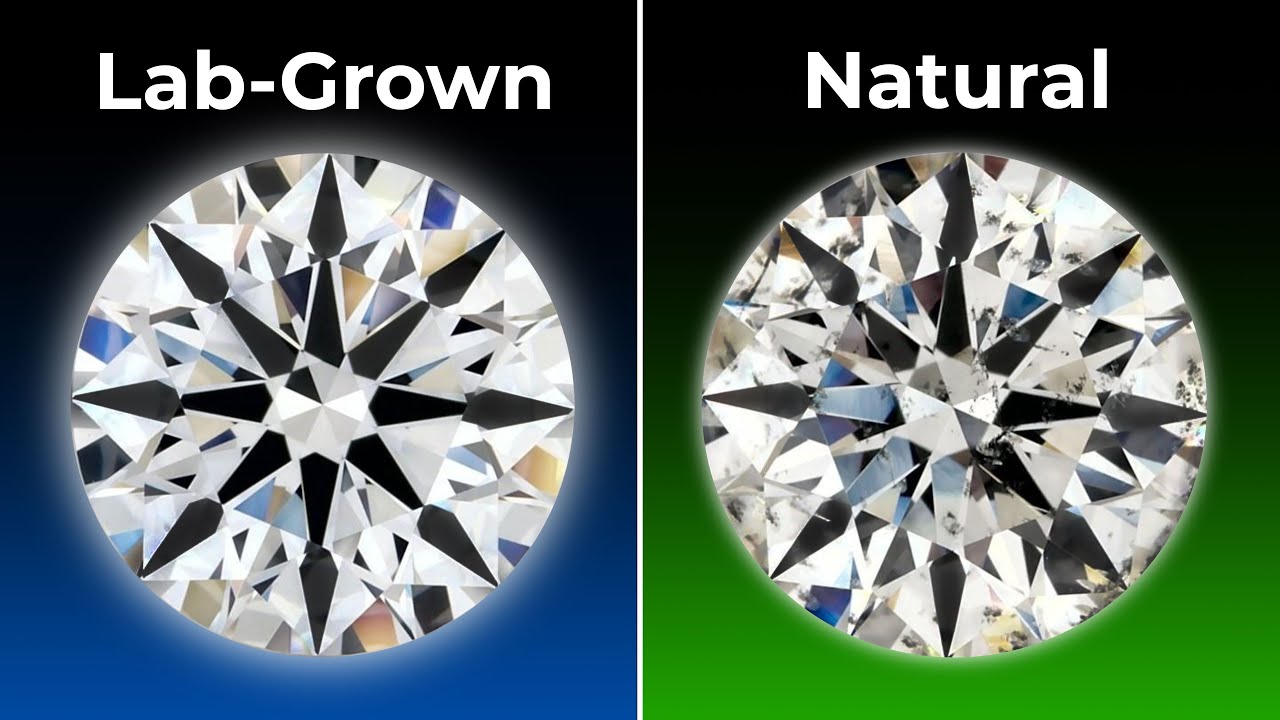
Lab-grown diamonds have the very same glimmer, clarity, and high quality as all-natural diamonds. They are made using the exact same chemical make-up and are optically similar.
The Only Guide for Tru-diamonds
Lab-grown diamonds cost 30-40% much less than all-natural ones. No costly mining processes. Reduced production costs. Several all-natural diamonds come from extracted sources that might involve unreasonable labor. discover the information Lab-grown diamonds are conflict-free and fairly sourced. No harm to people or the atmosphere. Transparent and accountable sourcing. Mining rubies damages the Earth and makes use of a great deal of natural sources.
Since they are made in a controlled setting, lab-grown rubies commonly have much better clarity than extracted ones. Lots of brand names currently supply trade-ins and resale choices for lab-grown rubies. This makes them an economical investment.
< From nitrogen to boron, the category of ruby types discusses the surprise science behind a diamond's shade and authenticity. Those 4 characteristics explain how a diamond looks and assist determine its value.
That system is called ruby typing. Diamond keying can sound technological, yet the principle is remarkably straightforward., ruby kind classifies diamonds based on their chemical composition and atomic structure.
All About Tru-diamonds

Yes! They look the same. Prior to October 2025 Laboratory Grown and Natural Diamonds utilized precisely the exact same grading system and we describe the major characteristics of both by making use of the popular terms of covered listed below. In 2025 the GIA announced that from October 2025 they would certainly no longer quality Lab Grown diamonds utilizing the same 4Cs system as All-natural.
One more of the prominent qualification bodies is the IGI that to the ideal of our understanding right now continue to use the 4Cs. For even more up to date details please check out each of the web links above. If you're considering 2 rated rubies that have the exact same grading (eg.
Diamonds over a certain size are widely offered with a certificate that notes every information of the ruby being bought by the client. Both alternatives are available to supply confidence to our clients - simulated diamond. Whilst we support that authentic diamond is a Natural Ruby from the planet, we would certainly be silly to ignore the alternative found in Synthetic Lab Expanded rubies specifically as clients end up being a lot more knowledgeable about them and are coming to be extra willful regarding acquiring them
About Tru-diamonds
Openness in our market is of vital importance therefore we feel it is only right to discuss some of the mixed messaging that is around on this topic. A Synthetic Laboratory Grown Ruby is significantly less expensive than a Natural Mined Ruby. Natural diamonds have a limited supply whereas labs can generate an endless supply of the other which proceeds to drive costs downwards.
As a customer, you should not view a Laboratory Grown Diamond as an investment as you are not likely to see much, if any kind of return for your money on the diamond in the future, though the precious metals will likely have worth. Tru-diamonds. A Natural Ruby on the other hand might have some future value (though do not expect to recover what you paid unless a rarer ruby in some method), and somehow keeps something unique having actually been created in the planet instead than above ground in a manufacturing facility somewhere
Given That the United Nations actioned in and the global diamond sector and federal governments interacted to introduce the Kimberley Refine in 2003, things have actually been even more regulated. To claim that Natural Diamonds misbehave and Laboratory Grown rocks are extra ethical is not really accurate as a covering declaration if all facets are considered.Diamonds are just one of the most useful - and beloved - gems on the planet, so maybe it is not a surprise people have attempted to duplicate or mimic this unbelievable gemstone. It can be tough to tell an actual ruby from a fake one, specifically to the inexperienced and nude eye.